



D1 Receptor
Dopamine D1 receptor regulates motor function, reward processing, cognition, and brain gene-expression programs through D1-like dopaminergic signaling[1][2]. Mechanistically, D1 receptor activation stimulates adenylyl cyclase signaling, engages PKA-linked pathways, and can drive ERK1/2 phosphorylation in dopamine-denervated striatum[3][4]. In Parkinsonian models, D1 receptor agonists restore motor behavior, while abnormal D1-mediated signaling contributes to L-Dopa-related rewarding effects and dyskinetic molecular responses[5][6]. Compared with related dopamine receptor isoforms, D1 and D2 receptors act in separate basal-ganglia neuronal populations, and D1 receptor effects can differ from D2-linked modulation in cannabinoid, sensorimotor-gating, and antiparkinsonian assays[1][7][8]. For experimental applications, selective agonists and antagonists such as SKF81297, SCH23390, adrogolide, and non-catechol D1 agonists help define receptor selectivity, signaling bias, β-arrestin recruitment, receptor internalization, and disease-model efficacy[5][9][10][11].
References:
- [1]. Cadet JL, et al. Dopamine D1 receptors, regulation of gene expression in the brain, and neurodegeneration. CNS Neurol Disord Drug Targets. 2010 Nov;9(5):526-38. [Content Brief]
- [2]. Kimura Y, et al. Ultra-high-field pharmacological functional MRI of dopamine D1 receptor-related interventions in anesthetized rats. Pharmacol Res Perspect. 2023 Apr;11(2):e01055. [Content Brief]
- [3]. Fieblinger T, et al. Mechanisms of dopamine D1 receptor-mediated ERK1/2 activation in the parkinsonian striatum and their modulation by metabotropic glutamate receptor type 5. J Neurosci. 2014 Mar 26;34(13):4728-40. [Content Brief]
- [4]. Hao JR, et al. L-Stepholidine rescues memory deficit and synaptic plasticity in models of Alzheimer's disease via activating dopamine D1 receptor/PKA signaling pathway. Cell Death Dis. 2015 Nov 5;6(11):e1965. [Content Brief]
- [5]. Vermeulen RJ, et al. The selective dopamine D1 receptor agonist, SKF 81297, stimulates motor behaviour of MPTP-lesioned monkeys. Eur J Pharmacol. 1993 Apr 22;235(1):143-7. [Content Brief]
- [6]. Plewnia C, et al. Rewarding properties of L-Dopa in experimental parkinsonism are mediated by sensitized dopamine D1 receptors in the dorsal striatum. Mol Psychiatry. 2025 Mar;30(3):976-985. [Content Brief]
- [7]. Daigle TL, et al. Opposite function of dopamine D1 and N-methyl-D-aspartate receptors in striatal cannabinoid-mediated signaling. Eur J Neurosci. 2011 Nov;34(9):1378-89. [Content Brief]
- [8]. Gresack JE, et al. Inhibition of phosphodiesterase 10A has differential effects on dopamine D1 and D2 receptor modulation of sensorimotor gating. Psychopharmacology (Berl). 2014 May;231(10):2189-97. [Content Brief]
- [9]. Giardina WJ, et al. Adrogolide HCl (ABT-431; DAS-431), a prodrug of the dopamine D1 receptor agonist, A-86929: preclinical pharmacology and clinical data. CNS Drug Rev. 2001 Fall;7(3):305-16. [Content Brief]
- [10]. Gray DL, et al. Impaired β-arrestin recruitment and reduced desensitization by non-catechol agonists of the D1 dopamine receptor. Nat Commun. 2018 Feb 14;9(1):674. [Content Brief]
- [11]. Sahlholm K, et al. Estimation of Dopamine D1 Receptor Agonist Binding Kinetics Using Time-Resolved Functional Assays: Relation to Agonist-Induced Receptor Internalization by Investigational Antiparkinsonian Therapeutics. ACS Chem Neurosci. 2025 Jul 2;16(13):2502-2512. [Content Brief]
All Product Categories
-
D1 Receptor Inhibitors
(7)
View all products
-
D1 Receptor Agonists
(38)
View all products
-
D1 Receptor Antagonists
(43)
View all products
-
D1 Receptor Activators
(2)
View all products
-
D1 Receptor Modulators
(4)
View all products
-
D1 Receptor Control
(1)
View all products
-
D1 Receptor Ligands
(3)
View all products
-
D1 Receptor Related Products (104)
Related Products (104)

-
SCH-23390 hydrochloride
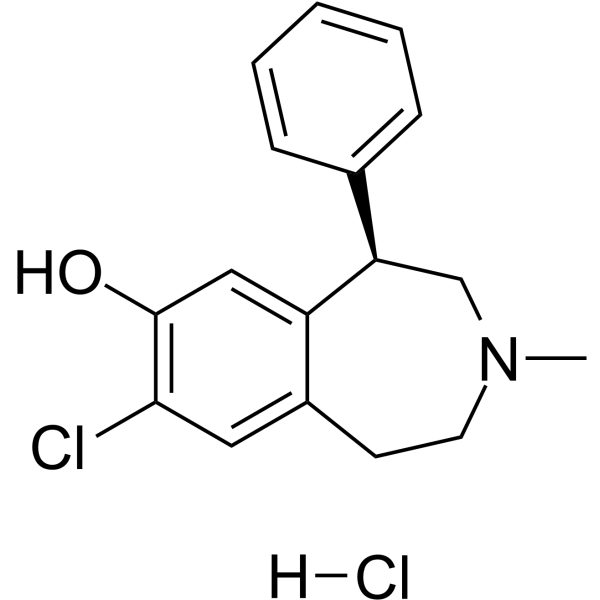 0 ImagesSynonyms: R-(+)-SCH-23390 hydrochlorideSCH-23390 hydrochloride (R-(+)-SCH-23390 hydrochloride) is a potent and selective dopamine D1-like receptor antagonist with Kis of 0.2 nM and 0.3 nM for the D1 and D5 receptor, respectively. SCH-23390 hydrochloride is a potent and high efficacy human 5-HT2C receptor agonist with a Ki of 9.3 nM. SCH-23390 hydrochloride also binds with high affinity to the 5-HT2 and 5-HT1C receptors. SCH-23390 hydrochloride inhibits G protein-coupled inwardly rectifying potassium (GIRK) channels with an IC50 of 268 nM.
-
SKF 38393 hydrochloride
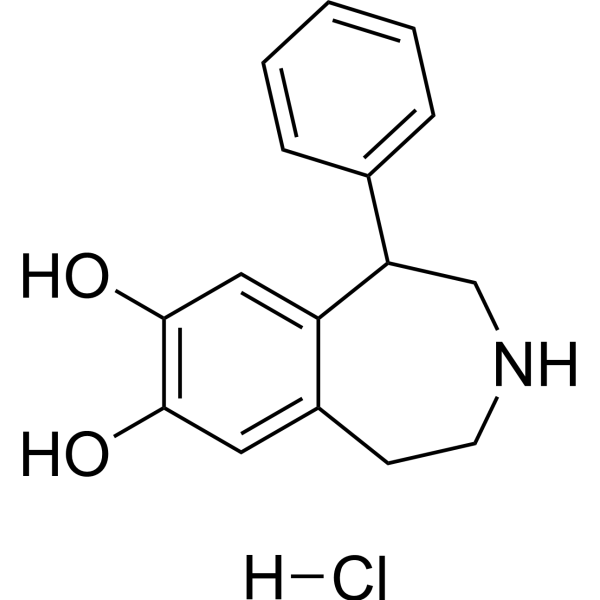 0 ImagesSynonyms: (±)-SKF-38393 hydrochloride; SKF-38393ASKF 38393 hydrochloride is a selective agonist of the dopamine D1 receptor (D1DR) with an IC50 of 110 nM.
-
Raclopride
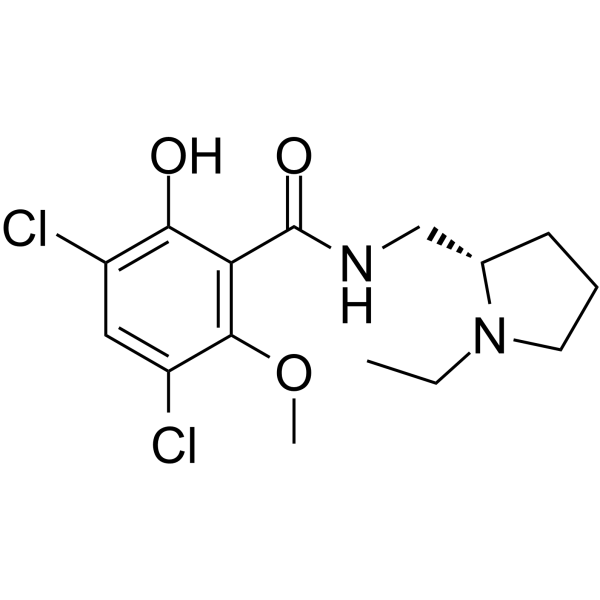 0 ImagesRaclopride is a dopamine D2/D3 receptor antagonist with potential antipsychotic effects. Raclopride binds to D2 and D3 receptors with Kis of 1.8 nM and 3.5 nM, respectively.
-
SKF 81297 hydrobromide
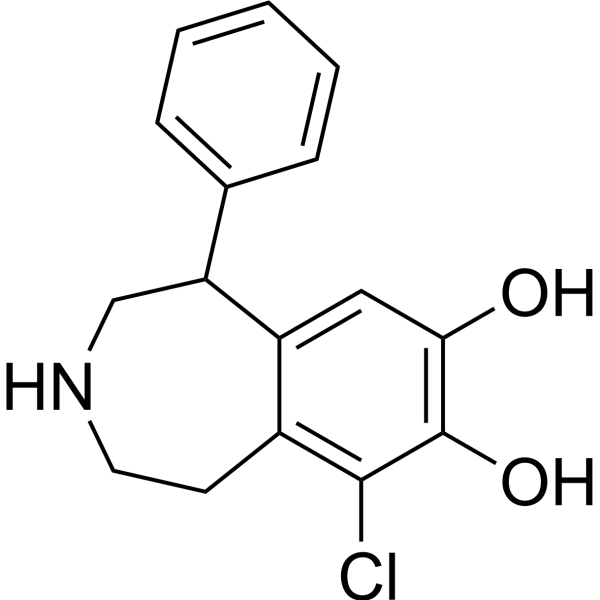
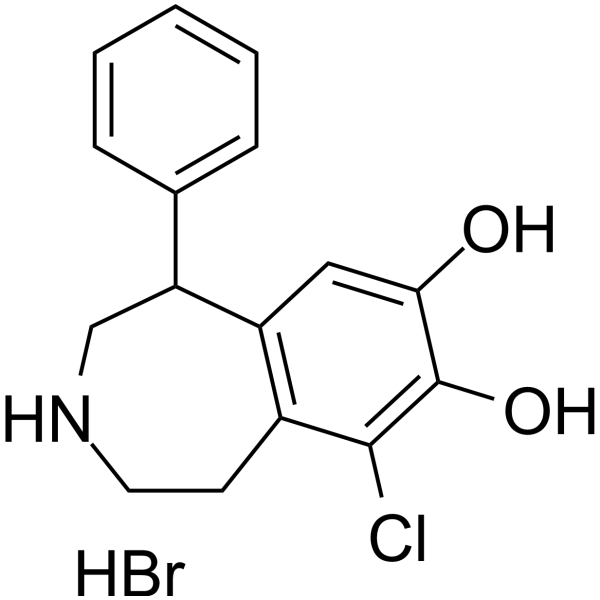 0 ImagesSKF 81297 hydrobromide is a potent and selective dopamine D1 receptor agonist.
-
SKF-83566
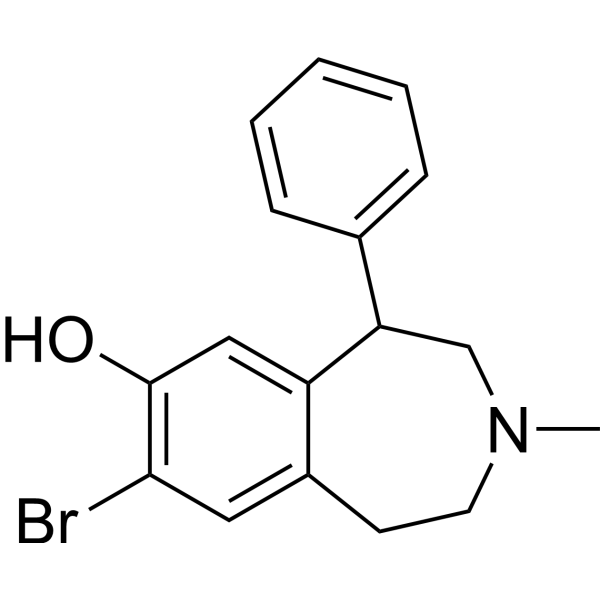 0 ImagesSKF-83566 is an orally active, blood-brain barrier-permeable D1/D5 dopamine receptor antagonist with a Ki value of approximately 0.4-0.56 nM. SKF-83566 modulates locomotor behavior and spatial memory by blocking D1 receptors and inhibits glioblastoma progression by targeting the DRD1/c-Myc/UHRF1 pathway. SKF-83566 acts as an inhibitor of the dopamine transporter (DAT) and adenylyl cyclase 2 (AC2). SKF-83566 competitively binds to DAT to inhibit dopamine reuptake and non-competitively inhibits AC2 activity, thereby reducing cAMP accumulation. SKF-83566 is used in research areas such as dopaminergic system mechanisms, learning and memory, targeted intervention for glioblastoma, AC2 pathophysiology, antiparasitic drug screening, and synaptic plasticity (the "gating effect").
-
SKF-83566 hydrobromide
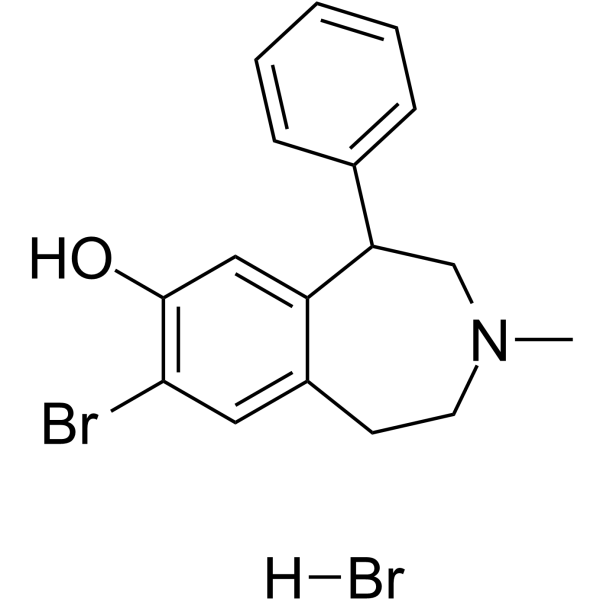 0 ImagesCat. No.: HY-103430CAS No.: 108179-91-5SKF-83566 hydrobromide is an orally active, blood-brain barrier-permeable D1/D5 dopamine receptor antagonist with a Ki value of approximately 0.4-0.56 nM. SKF-83566 hydrobromide modulates locomotor behavior and spatial memory by blocking D1 receptors and inhibits glioblastoma progression by targeting the DRD1/c-Myc/UHRF1 pathway. SKF-83566 hydrobromide acts as an inhibitor of the dopamine transporter (DAT) and adenylyl cyclase 2 (AC2). SKF-83566 hydrobromide competitively binds to DAT to inhibit dopamine reuptake and non-competitively inhibits AC2 activity, thereby reducing cAMP accumulation. SKF-83566 hydrobromide is used in research areas such as dopaminergic system mechanisms, learning and memory, targeted intervention for glioblastoma, AC2 pathophysiology, antiparasitic drug screening, and synaptic plasticity (the "gating effect").
-
cis-Flupenthixol
 0 ImagesCat. No.: HY-184837CAS No.: 53772-82-0cis-Flupenthixol is an orally active dopamine receptor antagonist, with a Ki value of 1.4 nM for the Dopamine D-1 receptor and 0.74 nM for the Dopamine D-2 receptor. cis-Flupenthixol blocks dopamine receptors in the medial preoptic area and striatum, impairs male mating behavior, and reduces the concentrations of striatal dopamine metabolites. cis-Flupenthixol alters striatal acetylcholine concentrations in a time-dependent manner and enhances Apomorphine (HY-12723)-induced stereotyped behaviors. cis-Flupenthixol inhibits exploratory locomotor activity and triggers a compensatory increase in dopamine turnover in the striatum and limbic regions. cis-Flupenthixol can be used in studies related to tardive dyskinesia.
-
Rotigotine
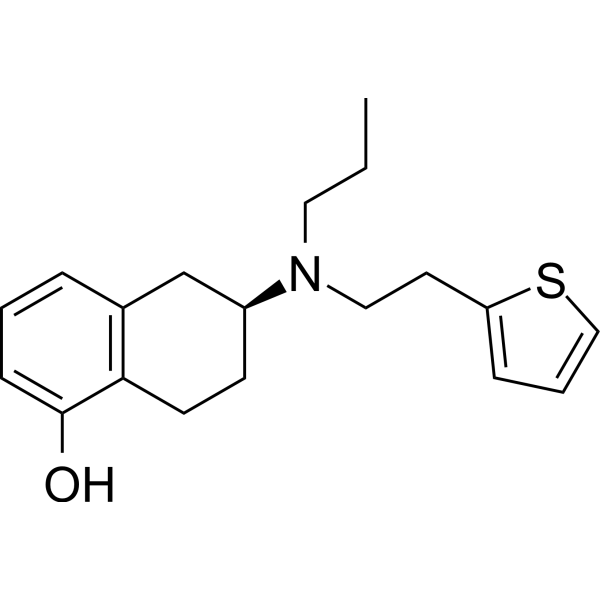 0 ImagesSynonyms: N-0923; (-)-N 0437Rotigotine is a potent dopamine receptor agonist with Ki values of 0.71 nM, 4-15 nM, and 83 nM for the dopamine D3 receptor and D2, D5, D4 receptors and dopamine D1 receptor. Rotigotine a partial agonist of the 5-HT1A receptor, and an antagonist of the α2B-adrenergic receptor. Rotigotine can be used for parkinson's disease (PD) research.
-
Fenoldopam mesylate
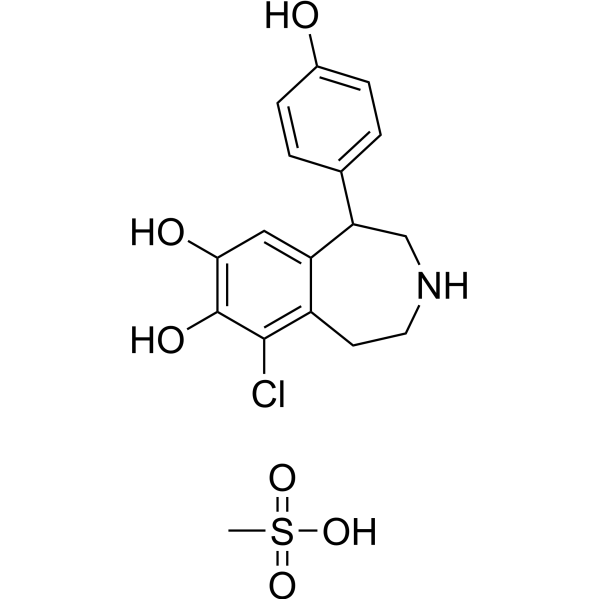 0 ImagesSynonyms: Fenoldopam methanesulfonate; SKF-82526 mesylateFenoldopam (SKF-82526) mesylate is a selective dopamine D1 receptor agonist. Fenoldopam mesylate binds to rat D1B dopamine receptors (Kd = 11 nM) and human D1A receptors (Kd = 17 nM) in COS-7 cell membranes expressing the cloned receptors. Fenoldopam mesylate modulates dopamine receptor expression, induces vasorelaxation in vascular tissues, reverses glomerular hyperfiltration in rat models, increases intracellular cAMP levels, promotes DARPP-32 phosphorylation in small cell lung cancer (SCLC) cells, inhibits cytokine secretion, and downregulates T cell activation markers in activated human T cells. Fenoldopam mesylate can be used for research on hypertension, acute kidney injury, psoriasis, and small cell lung cancer.
-
N-Methyldopamine hydrochloride
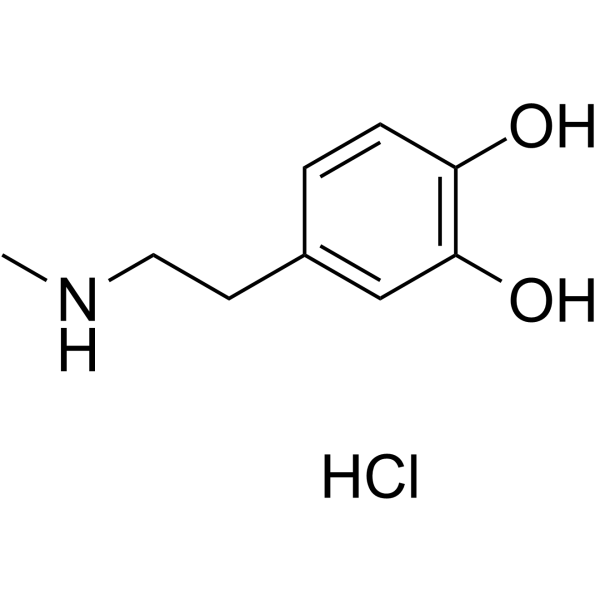 0 ImagesN-Methyldopamine hydrochloride is a precursor of adrenaline in the adrenal medulla. N-Methyldopamine hydrochloride is a modification of the dopamine (DA), and retains agonist activity at the DA1 receptor. N-Methyldopamine hydrochloride remains capable of universal surface coating and secondary reactions using the surface catechols. N-Methyldopamine hydrochloride can be used for heart failure research.
-
Rotigotine Hydrochloride
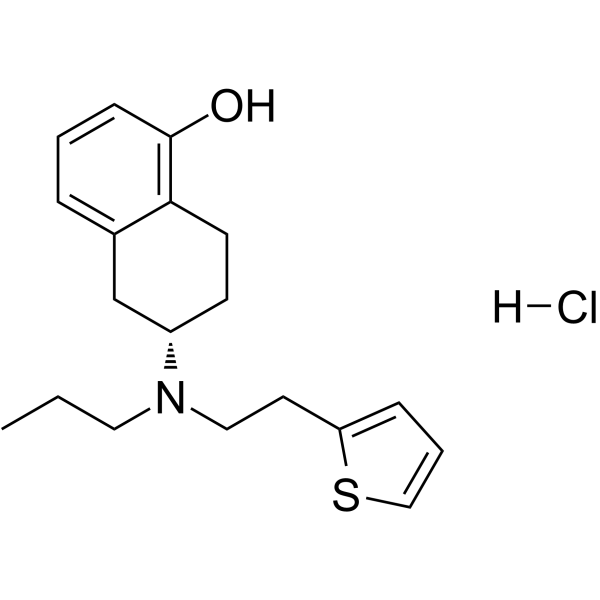 0 ImagesSynonyms: N-0923 HydrochlorideRotigotine Hydrochloride (N-0923 Hydrochloride) is a full agonist of dopamine receptor, a partial agonist of the 5-HT1A receptor, and an antagonist of the α2B-adrenergic receptor, with Ki of 0.71 nM, 4-15 nM, and 83 nM for the dopamine D3 receptor and D2, D5, D4 receptors, and dopamine D1 receptor.
-
Lumateperone
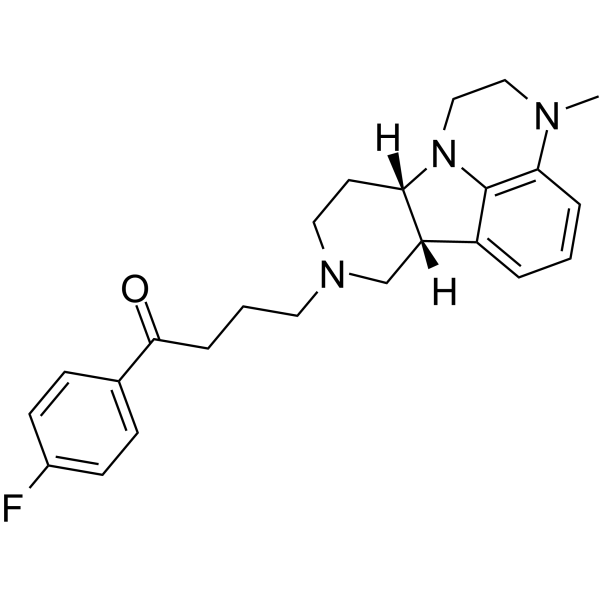 0 ImagesSynonyms: ITI-007Lumateperone (ITI-007) is an orally active 5-HT2A receptor antagonist (Ki = 0.54 nM), a partial agonist of presynaptic D2 receptors and an antagonist of postsynaptic D2 receptors (Ki = 32 nM), and a dopamine D1 receptor modulator. Lumateperone has anticancer activity and can also be used for the study of schizophrenia and bipolar depression.
-
SKF-82958 hydrobromide
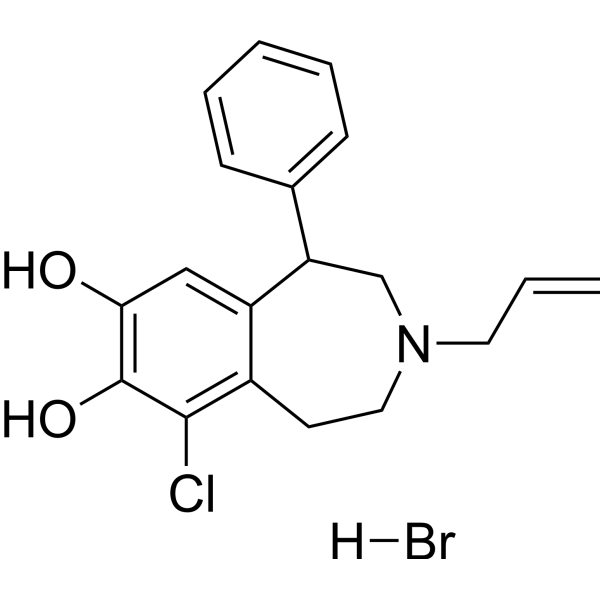 0 ImagesSynonyms: (±)-SKF-82958 hydrobromide; Chloro-APB hydrobromideSKF-82958 ((±)-SKF 82958) hydrobromide is a dopamine D1 receptor full agonist (K0.5=4 nM), displays selective for D1 over D2 receptors (K0.5=73 nM). SKF-82958 hydrobromide induces dopamine D1 receptor-dependent adenylate cyclase activity in rat striatal membranes (EC50=491 nM).
-
Loxapine succinate
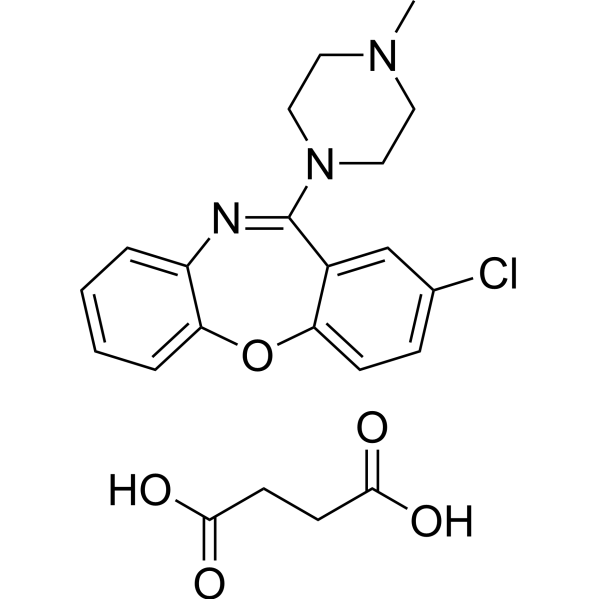 0 ImagesLoxapine succinate is an orally active dopamine inhibitor, 5-HT receptor antagonist and also a dibenzoxazepine anti-psychotic agent. Loxapine can also suppresses bacterial efflux pump activity and inhibit intracellular multiple-antibiotic-resistant Salmonella enterica serovar Typhimurium in macrophages.
-
Blonanserin
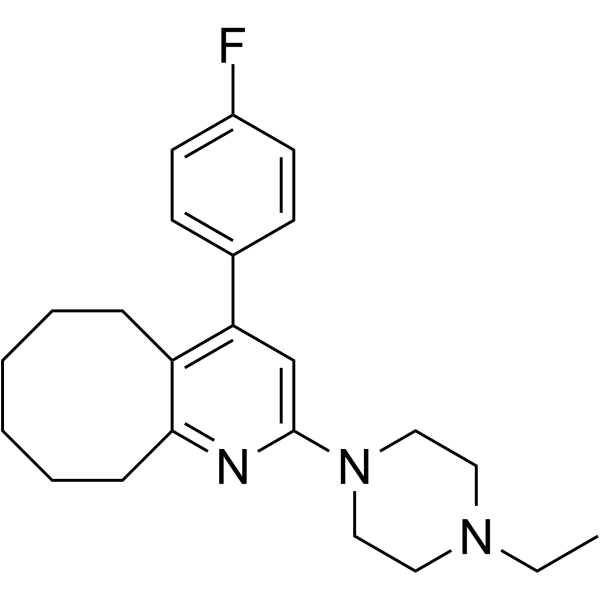 0 ImagesSynonyms: AD-5423Blonanserin (AD-5423) is a potent and orally active 5-HT2A (Ki=0.812 nM) and dopamine D2 receptor (Ki =0.142 nM) antagonist. Blonanserin is usually acts as an atypical antipsychotic agent and can be used for the research of extrapyramidal symptoms, excessive sedation, or hypotension.
-
Ecopipam hydrochloride
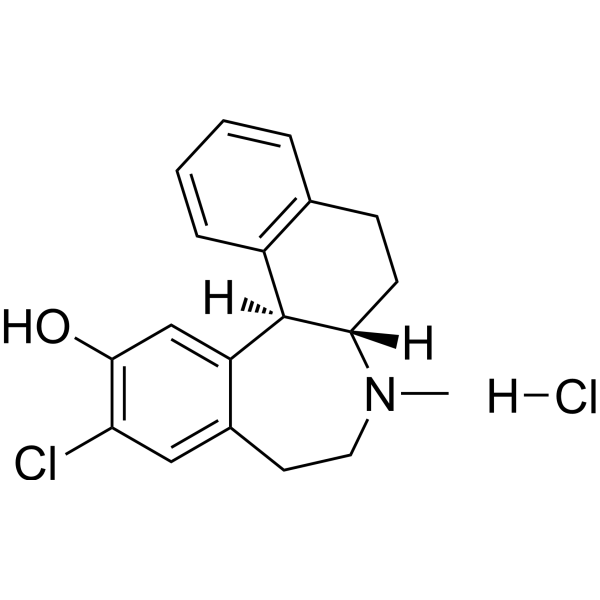 0 ImagesSynonyms: SCH 39166 hydrochlorideEcopipam (SCH 39166) hydrochloride is a potent, selective and orally active antagonist of dopamine D1/D5 receptor, with Kis of 1.2 nM and 2.0 nM, respectively. Ecopipam hydrochloride shows more than 40-flod selectivity over D2, D4, 5-HT, and α2a receptor (Ki=0.98, 5.52, 0.08, and 0.73 μM, respectively). Ecopipam hydrochloride can be used for the research of schizophrenia and obesity.
-
Dihydrexidine hydrochloride
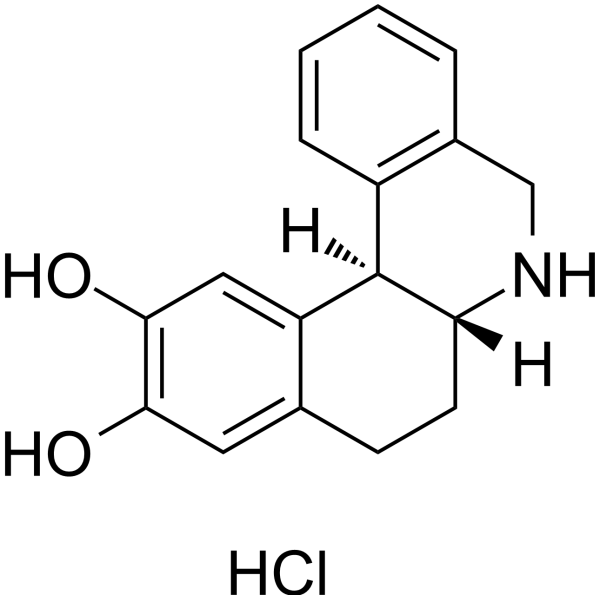 0 ImagesSynonyms: DAR-0100 hydrochlorideDihydrexidine hydrochloride (DAR-0100 hydrochloride) is a high potent, selective and full efficacy D1-like dopamine receptor (D1/D5) agonist, with an IC50 of 10 nM for D1 receptor. Dihydrexidine hydrochloride exhibits potent antiparkinsonian activity. Dihydrexidine hydrochloride can stimulate YAP phosphorylation.
-
Flupentixol dihydrochloride
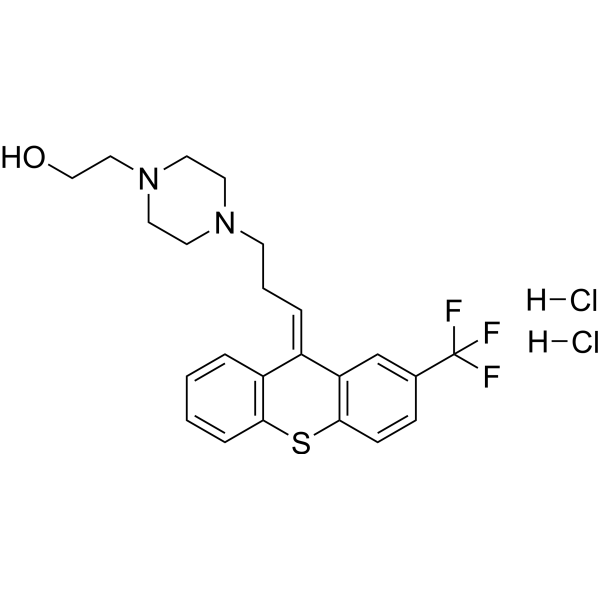 0 ImagesFlupentixol is an orally active D1/D2 dopamine receptor antagonist and new PI3K inhibitor (PI3Kα IC50=127 nM). Flupentixol shows anti-proliferative activity to cancer cells and induces apoptosis. Flupentixol can also be used in schizophrenia, anxiolytic and depressive research.



